Denmark ends letter delivery as digital communication makes postal service obsolete
PostNord delivered its final letter on 30 December, closing a 400-year chapter and making Denmark the first country to abandon nationwide mail delivery.
PostNord’s decision makes Denmark the first country in the world to formally conclude that physical letter delivery is no longer essential. The move underscores the rapid decline of traditional mail in one of the world’s most digitally integrated societies.
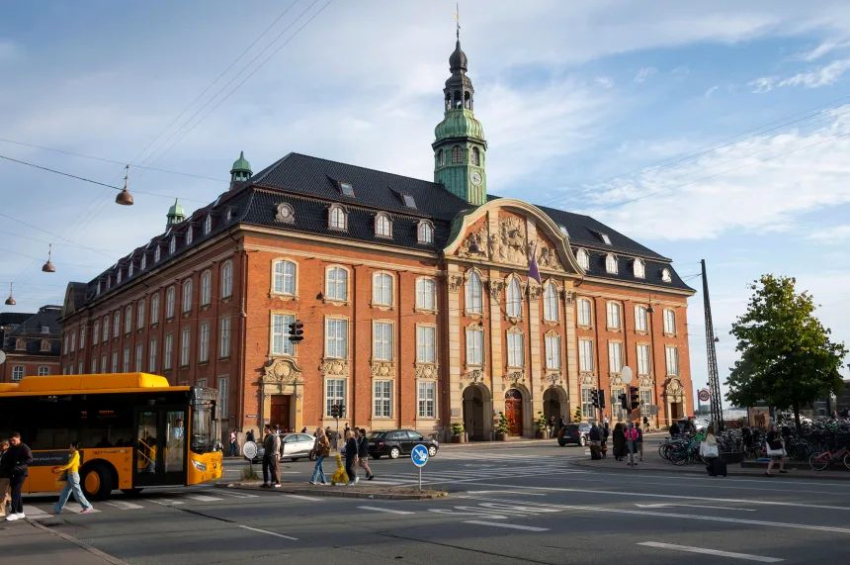
The shift is symbolized by Copenhagen’s former Central Post Building, opened in 1912 to serve a booming postal and telegraph network. Today, the landmark houses a luxury hotel, overlooking a city where letters will no longer arrive in mailboxes.
A steep decline in letters
Letter volumes in Denmark have fallen dramatically, with PostNord delivering more than 90% fewer letters in 2024 than in 2000. Similar trends are evident elsewhere: the US Postal Service handled about 50% less mail in 2024 than it did in 2006.
As correspondence has moved online—into emails, messaging apps, video calls, and social media—PostNord has been removing roughly 1,500 public mailboxes across Denmark since June.
When the boxes were sold for charity in December, hundreds of thousands of Danes attempted to buy them, paying between 1,500 and 2,000 Danish kroner depending on condition.
More to read:
France raises stakes in Eutelsat as Europe seeks to detach from U.S. communications partnerships
Under the new system, letters must be dropped off at shop-based kiosks and will be delivered by private courier DAO. PostNord will continue to operate its parcel business, buoyed by the growth of e-commerce.
Denmark’s highly digital public sector has reduced reliance on physical mail, with most government correspondence conducted through online portals.
While the Danish society is fully digital, some groups may struggle as services move exclusively online, particularly older people or remote rural communities. For them, DAO offers home mail collection, but payment can only be made digitally, creating barriers for those without online access.
Traditional mail is still alive globally
Globally, the need for physical mail remains significant. According to the Universal Postal Union, nearly 2.6 billion people are still offline, with rural and low-income populations disproportionately affected by limited connectivity and digital skills.
Letters have adapted repeatedly over centuries, shifting from papyrus and wax tablets to paper and, more recently, electronic formats. Today, physical letters are associated more with nostalgic users and technology deniers.