
Race to mine the Moon accelerates as Interlune targets 2029 pilot project
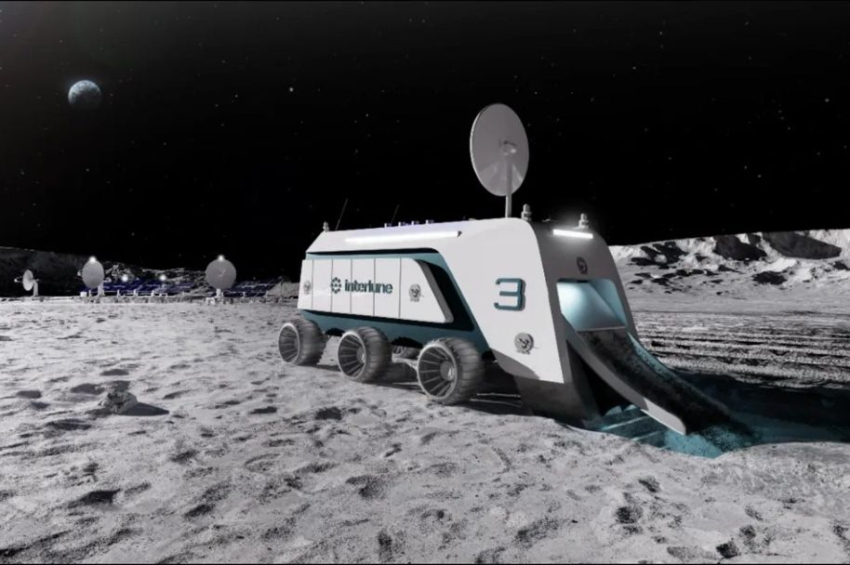
The U.S. company hopes to launch a mission next year to harvest helium3.
Interlune, a Seattle-based startup, plans to begin pilot mining operations on the Moon by 2029, a timeline that underscores how quickly lunar resource extraction is moving from concept to reality — well ahead of any clear international rules.
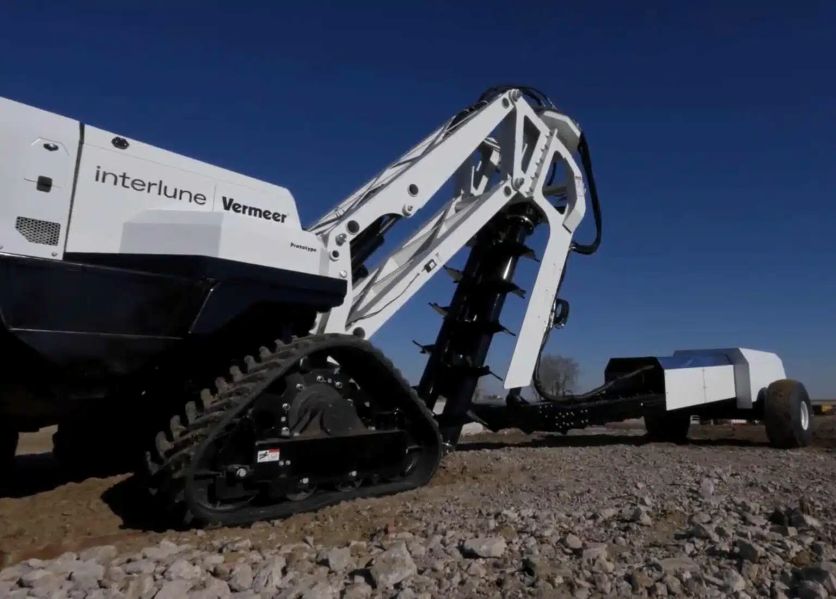
Working with industrial manufacturer Vermeer, Interlune has developed a prototype electric excavator capable of processing up to 100 metric tons of lunar soil per hour. The company aims to launch a mission in 2027 to confirm concentrations of helium-3, a rare isotope prized for its potential role in future fusion energy.
If successful, the project would mark one of the first serious attempts to commercially exploit lunar resources.
More to read:
Just how much water does the Moon hide? Hundreds of billions of tons
Interlune is not alone. U.S. firms and space agencies are already testing the machinery needed for extraction.
Astrobotic Technology is preparing its Griffin-1 lander to deploy a rover built by Astrolab, while Houston-based Intuitive Machines has flown its Nova-C lander under NASA’s PRISM program.
Earlier this year, NASA’s Prime-1 mission successfully demonstrated Honeybee Robotics’ Trident drill, capable of boring into and extracting lunar soil.
Falling launch costs could accelerate these efforts. SpaceX’s Starship rocket, with its large payload capacity and reusable design, could cut launch costs to as little as US$250–600 per kilogram, potentially making large-scale lunar infrastructure and mining economically viable.
The growing commercial push is unfolding amid a rapidly crowding lunar landscape. China plans to land astronauts on the Moon by 2030 and establish an International Lunar Research Station by 2035 in partnership with Russia and other countries.
More to read:
Historic mission: Nokia deploys cellular network on the Moon
Australia is preparing a 2026 rover to extract oxygen and collect lunar soil, while Japan's ispace is pursuing precision landings and resource-focused exploration through government missions and companies such as ispace.
Competition is expected to intensify around limited, high-value regions rich in water ice and rare materials.
The commercial drive to mine the Moon is also raising scientific and environmental concerns. Astronomers warn that large-scale industrial activity could interfere with sensitive lunar research and leave permanent scars on a body long treated as a shared scientific commons.
Reflecting growing awareness of these risks, the European Space Agency is promoting a zero-debris charter, which it hopes will gain global recognition by 2030. The initiative aims to ensure that resource use and exploration proceed alongside responsible environmental stewardship.
More to read:
New study confirms that our Moon is shrinking and crumbling
You may support our small reporting project via BuyMeCoffee. Any amount is welcome.